

This revised report presents the key developments behind Trump Threat to Jail Reporter Over Iran Rescue Leak: What Was Reported in a clearer structure, without adding claims beyond the original article.
Updated and fact-checked: Reuters reported on 6 April 2026 that President Donald Trump threatened jail for the journalist who first disclosed the rescue of a U.S. airman downed over Iran unless the reporter identified a source. Trump said the disclosure risked the continuing effort to retrieve a second airman, who was later rescued. The White House did not identify a single reporter as the target.
What the original headline means now
The central issue is the clash between the government’s claim of operational secrecy and the legal protections surrounding newsgathering and confidential sources.
Breaking-news headlines are often written at the moment when only part of the picture is visible. For that reason, this rewrite separates the first report from later confirmed developments. The aim is to preserve the news value of the original story while giving readers a clearer account of what was known at the time, what changed afterwards, and which claims still require attribution or caution.
Why this story matters
A presidential threat is not itself a criminal charge. Any prosecution would require a legal basis, evidence and court process, and cases involving publication of national-security information raise major First Amendment questions in the United States.
The wider significance also depends on context. A single announcement, market move, quote or early report can be important without being the final word. Readers get a more reliable picture by looking at the institutions involved, the timeline, the practical consequences and the difference between an official decision and a proposal, allegation or prediction.
How to read fast-moving reports carefully
There are four useful checks for stories like this. First, identify the source of the central claim: an official statement, named spokesperson, court filing, regulator, company announcement, market data or anonymous source. Second, check the date, because later events can materially change the meaning of an earlier headline. Third, separate a stated intention from an action that has actually happened. Finally, look for independent confirmation where the subject is contested or where the information comes from one side of a dispute.
This is especially important in world coverage, where developments can move quickly and the same event may be described differently by governments, companies, unions, campaign groups, market participants or other interested parties. Attribution is not a technicality; it tells the reader who is making a claim and how much confidence to place in it.
What readers should watch next
Readers should distinguish between what Trump publicly demanded, what prosecutors or courts actually did, and what news organisations reported. Those are separate stages with very different legal weight.
Future updates should be judged against primary or authoritative information wherever possible. That may mean a government department, regulator, company newsroom, official sports body, transport authority, market operator or other directly responsible institution. Secondary reporting remains valuable for context and scrutiny, but the strongest update normally identifies what is confirmed and what remains interpretation.
Questions readers may have
Is the original headline still accurate?
It describes the news moment that prompted the article, but later developments may have changed the position. The update above explains the most important change and should be read before older details in the original report.
Why keep the original topic instead of replacing the article entirely?
The URL may already be indexed, linked or shared. Updating the same page can preserve that history while making the content more useful. The important part is to make the revision transparent, correct material errors and avoid presenting superseded information as current fact.
What is the safest way to use this information?
Treat it as a current explainer rather than a substitute for live professional, legal, financial, medical or travel advice. Where a decision has real consequences, verify the latest position with the responsible organisation before acting.
Background and original reporting context
The global media landscape was shaken this week after Donald Trump issued a stark warning: journalists who published leaked details of a sensitive U.S. rescue mission in Iran could face jail time if they refuse to reveal their sources.
The controversy centers on a high-risk military operation involving downed American airmen in Iran—a story that broke across major outlets before the mission had fully concluded. Trump’s response has ignited a fierce debate about national security vs press freedom, with critics warning of a constitutional clash that could redefine the limits of journalism in the United States.
What Happened: The Iran Rescue Mission Explained
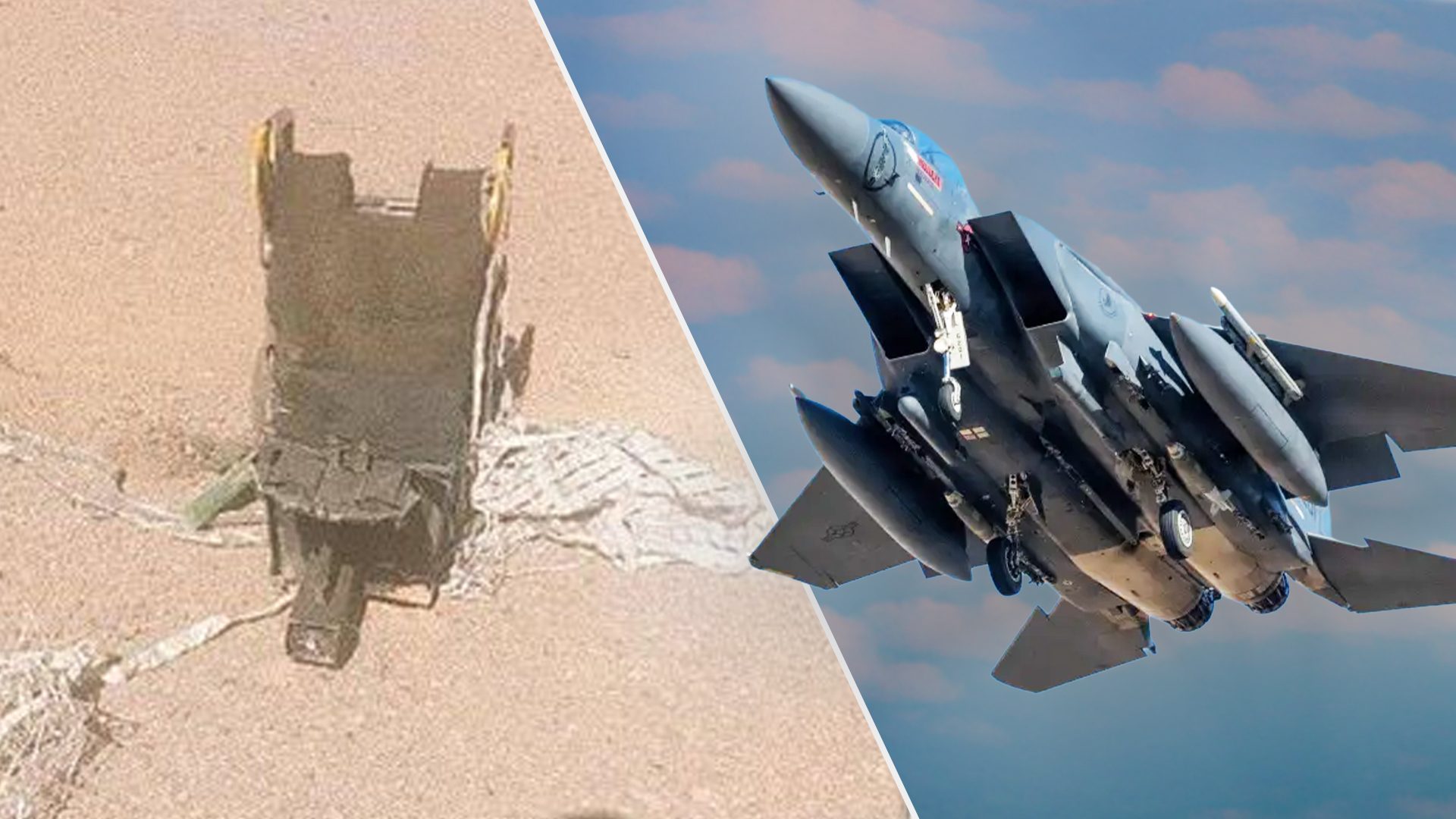


The incident began when a U.S. fighter jet was shot down over Iran during escalating tensions tied to the ongoing 2026 Iran conflict. Two airmen were onboard:
- One was quickly recovered by U.S. rescue forces
- The second was initially missing, sparking a high-risk search-and-rescue mission
According to reports, the second airman was injured and hiding in difficult terrain before being successfully rescued under heavy fire.
This operation was considered extremely sensitive, involving real-time intelligence, military coordination, and potential exposure to enemy forces.
The Leak That Sparked Controversy
Before the second rescue was completed, multiple media outlets reported that:
- One airman had already been rescued
- A second airman was still missing
This information, sourced from anonymous officials, quickly spread across major news platforms.
Trump and his administration argued that the leak:
- Alerted Iran to the existence of the second airman
- Compromised operational secrecy
- Put the missing serviceman at risk
Trump claimed the disclosure “jeopardized the mission,” even though the second airman was ultimately rescued safely.
Trump’s Threat: “Give It Up or Go to Jail”
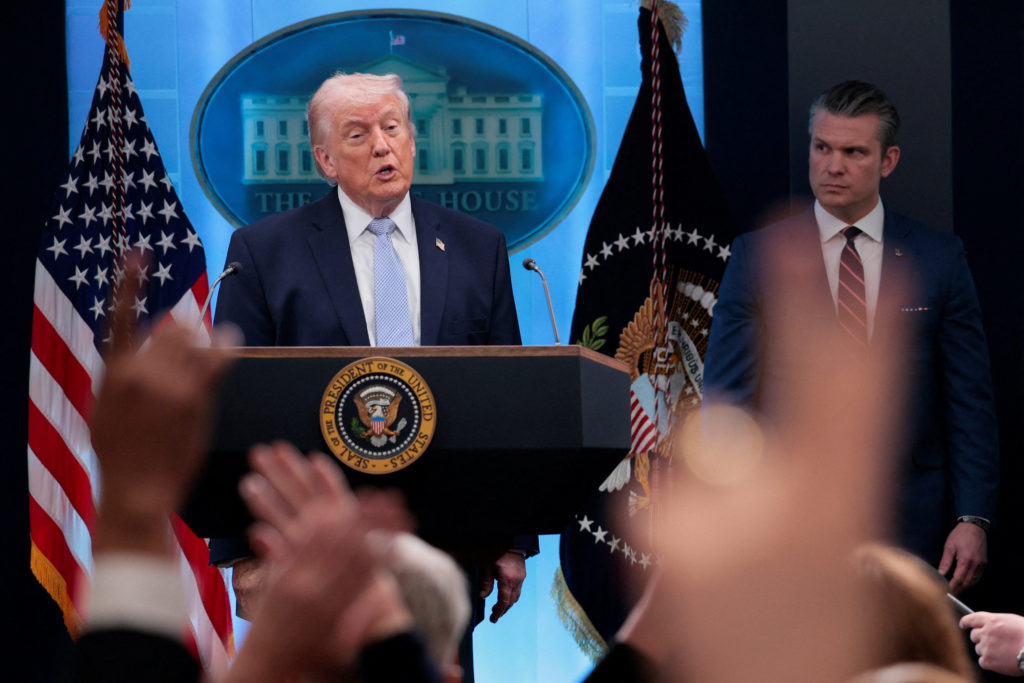
During a White House press briefing, Trump made his position clear:
- He demanded that journalists reveal their confidential sources
- He warned that failure to comply could result in imprisonment
According to reports, Trump stated the government would approach the media outlet and say:
“National security, give it up or go to jail.”
He also described the leaker as a “sick person” and vowed to find those responsible.
Notably:
- Trump did not name a specific journalist or outlet
- Several organizations—including major U.S. media—had reported the story
This lack of specificity has added to concerns about broad intimidation of the press.
Why Trump Says the Leak Was Dangerous
From the administration’s perspective, the issue is straightforward: operational secrecy saves lives.
Trump argued that:
- Iran may not have known a second airman was missing
- Media reports potentially exposed that information
- This could have increased the risk of capture or death
Officials suggested the leak disrupted tactical planning and could have forced changes in the rescue operation.
This aligns with longstanding U.S. government concerns about leaks during active military missions.
Press Freedom vs National Security: A Legal Clash
The controversy has reignited a long-standing debate in American democracy:
1. The First Amendment
Journalists in the U.S. are protected by the First Amendment, which guarantees freedom of the press.
- Reporters are generally not required to reveal sources
- Confidential sourcing is a cornerstone of investigative journalism
2. National Security Exceptions
However, the government can argue exceptions when:
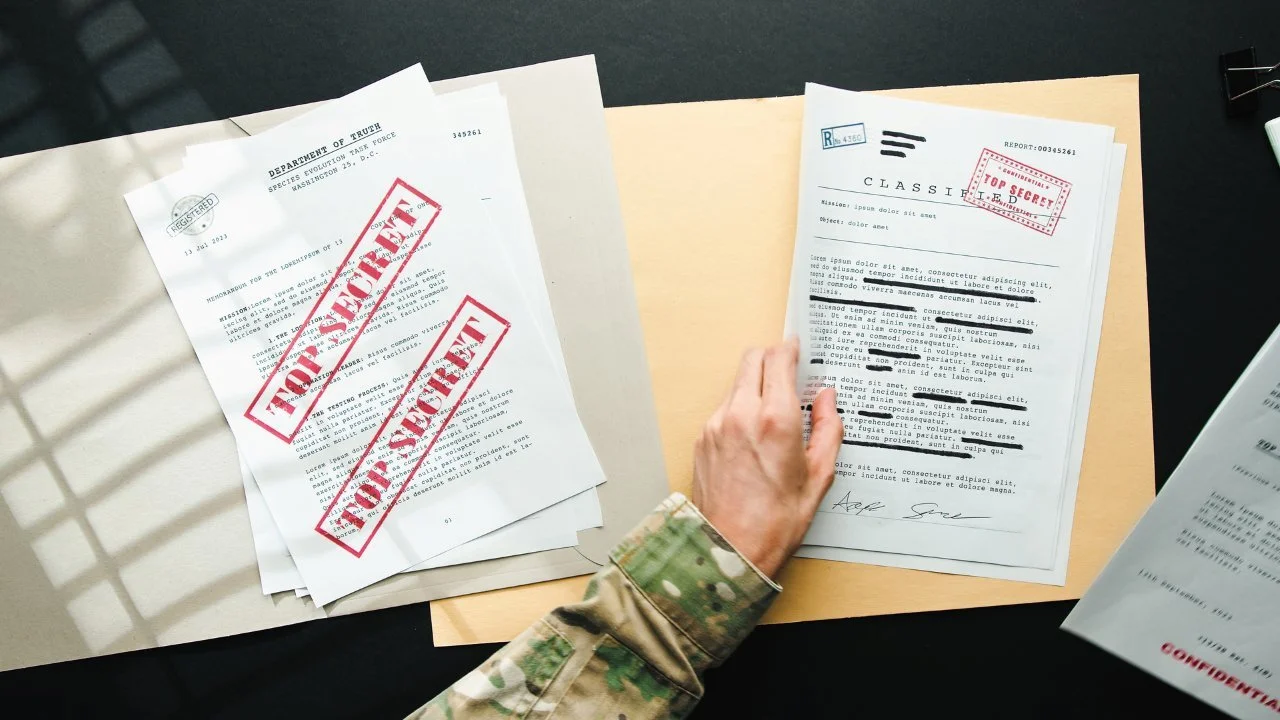
- Classified information is leaked
- National security is at risk
- Lives are endangered
Trump’s threat signals a willingness to push these boundaries further than previous administrations.
Escalation of Tensions with the Media

This incident is not happening in isolation.
Recent developments include:
- Increased investigations into government leaks
- Strong criticism of media coverage of the Iran conflict
- Policy changes rolling back protections for journalists
According to reports, Trump has repeatedly complained about negative media coverage of the war effort.
Critics say this latest move represents a significant escalation in the administration’s stance toward the press.
Reaction from Media and Civil Rights Groups
Press freedom advocates responded quickly and forcefully.
Organizations such as:
- Freedom of the Press Foundation
- Reporters Without Borders
- Knight First Amendment Institute
warned that:
- Threatening journalists with jail could chill investigative reporting
- It sets a dangerous precedent for government overreach
- It undermines democratic accountability
Some experts argue that if journalists are forced to reveal sources:
- Whistleblowers may stop coming forward
- Corruption and misconduct could go unreported
Could Journalists Really Be Jailed?
Legally, the situation is complex.
The Bigger Picture: War, Information, and Control

This controversy highlights a deeper issue:
Who controls information during wartime?
Governments argue:
- Secrecy is necessary for operational success
Journalists argue:
- Transparency is essential for democracy
In modern conflicts, where information spreads instantly:
- Even small leaks can have global consequences
- Governments struggle to maintain control over narratives
Impact on the Iran Conflict
The incident also underscores the intensity of the ongoing U.S.-Iran conflict in 2026, which has already involved:
- Airstrikes
- Military escalations
- High-risk operations inside Iranian territory
The rescue mission itself is being framed by the administration as:
- A major military success
- A demonstration of U.S. capability under pressure
But the leak controversy threatens to overshadow that narrative.
Final Thoughts
The clash between Donald Trump and the media over the Iran rescue mission leak is more than just a headline—it’s a defining moment in the relationship between power and accountability.
At its core, this story asks a critical question:
Should national security override the public’s right to know?
As the situation unfolds, the answer could reshape not only the future of journalism but also the boundaries of government authority in times of conflict.


