

The geopolitical temperature in the Middle East surged dramatically this week after Donald Trump issued a stark ultimatum to Iran: reopen the Strait of Hormuz by Tuesday evening or face devastating military consequences. The warning, delivered through interviews and social media posts, signals one of the most dangerous escalations in the ongoing 2026 Iran conflict.
Trump’s language was unusually blunt—even by his standards—promising that Iran would be “living in hell” if it failed to comply.
This unfolding crisis is not just another regional dispute. It threatens global oil supplies, international shipping, and could trigger a broader war involving multiple nations.
What Did Trump Actually Say?
The warning came on April 5, 2026, during a series of public statements and posts. Trump set a clear deadline: Tuesday at 8:00 PM Eastern Time, demanding Iran reopen the strategic waterway.
He warned that failure to comply would result in:
- Strikes on Iranian power plants
- Destruction of bridges and key infrastructure
- Potential escalation into wider military action
Trump even labeled the deadline dramatically as:
👉 “Power Plant Day” and “Bridge Day”
In one of his most controversial remarks, he used profanity to emphasize urgency and seriousness, underscoring the intensity of the standoff.
Why the Strait of Hormuz Matters So Much
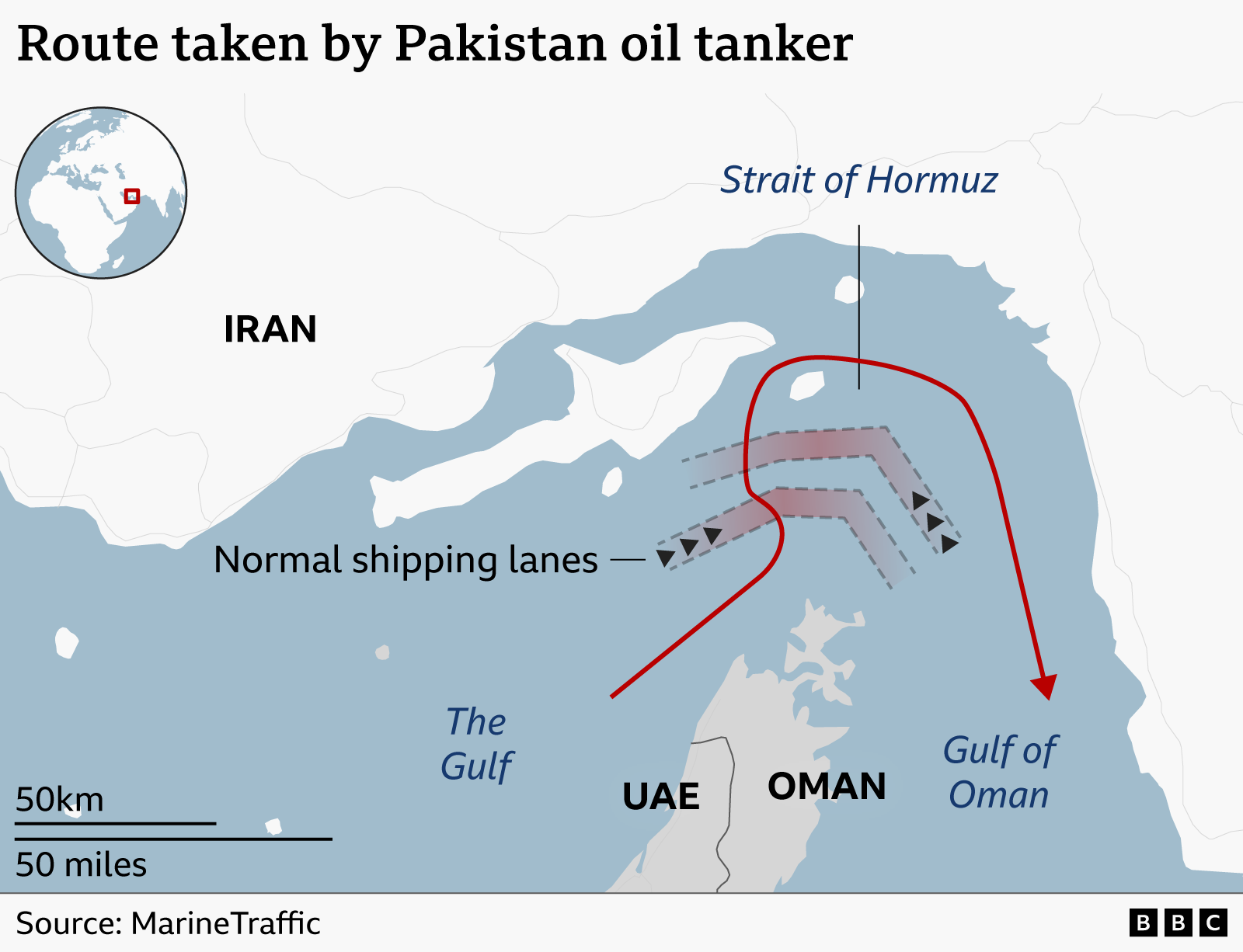
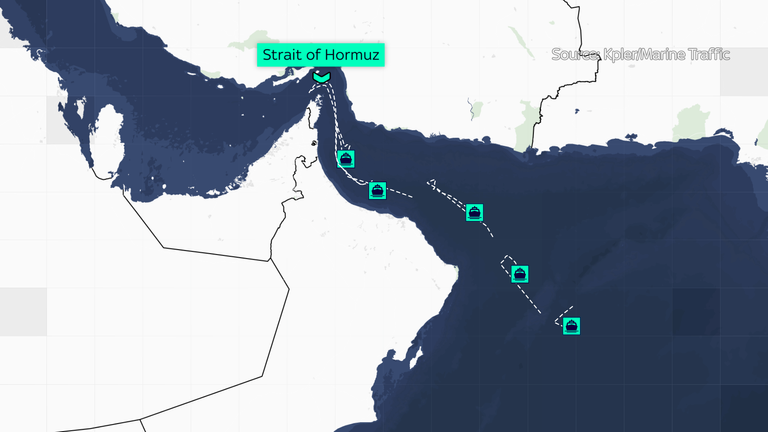
The Strait of Hormuz is one of the most strategically critical maritime routes in the world.
Key Facts:
- Handles around 20% of global oil supply
- Connects the Persian Gulf to international waters
- Essential for economies in Asia, Europe, and beyond
Disruptions here can instantly send shockwaves through global markets. In fact, the current crisis has already caused oil prices to surge sharply above $100 per barrel.
Background: The 2026 Strait of Hormuz Crisis
The current standoff didn’t emerge overnight. It is part of a broader escalation known as the 2026 Strait of Hormuz crisis.
What Led to This Situation?
- February–March 2026: U.S. and Israeli strikes on Iranian targets
- Iran retaliates with missiles, drones, and naval threats
- Iran effectively blocks the Strait, halting most shipping
- Tanker traffic drops dramatically—at one point nearly to zero
The result: one of the largest disruptions to global energy supply in modern history.
Trump’s Strategy: Pressure, Threats, and Deadlines
Trump’s approach combines military pressure with last-minute diplomatic openings.
Key Elements of His Strategy:
- Hard Deadline Diplomacy
Trump repeatedly set deadlines—first 48 hours, then 10 days, now Tuesday—forcing urgency. - Escalation Threats
Targeting infrastructure signals willingness to expand beyond military targets. - Mixed Signals on Negotiation
Despite threats, Trump hinted that a deal could still be reached quickly.
This dual-track approach—pressure + negotiation—is classic brinkmanship.
Iran’s Response: Defiance and Warnings
Iran has firmly rejected the ultimatum.
Officials in Tehran described Trump’s warning as:
- “Reckless”
- “Escalatory”
- Potentially leading to regional catastrophe
Iran has also warned that any attack on civilian infrastructure could trigger:
- Wider retaliation across the Middle East
- Increased attacks on U.S. allies
- Further disruption of global shipping routes
Military Situation on the Ground
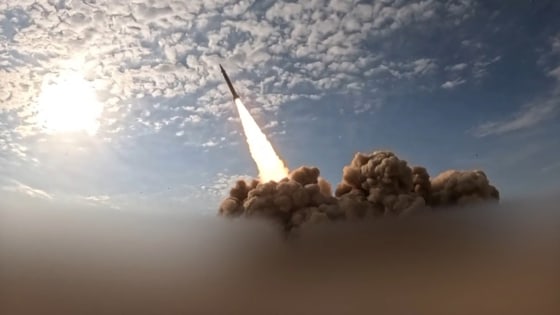

The situation is already highly militarized.
Current Developments:
- U.S. forces conducting airstrikes and naval operations
- Iran launching drone and missile attacks
- Gulf states like Bahrain and Kuwait targeted
- A U.S. pilot rescue mission inside Iran added tension
This is no longer just a political dispute—it’s an active conflict zone.
Global Impact: Oil, Economy, and Security
The crisis has immediate and far-reaching consequences.
1. Oil Prices Surge
With shipping disrupted, crude oil prices have spiked sharply, affecting:
- Fuel costs worldwide
- Inflation rates
- Energy security
2. Shipping Chaos
- Hundreds of ships rerouted or halted
- Insurance costs skyrocketing
- Supply chains disrupted
3. Risk of Global Conflict
This isn’t just a U.S.-Iran issue anymore. It involves:
- Israel
- Gulf nations
- Potential NATO involvement
Legal and Ethical Concerns
Experts warn that targeting infrastructure like:
- Power plants
- Bridges
- Civilian facilities
could violate international law and potentially be classified as war crimes.
This adds another layer of complexity, as military actions could trigger legal and diplomatic fallout.
Political Reactions in the U.S.
Trump’s ultimatum has divided opinion domestically.
Supporters Say:
- Strong leadership is needed
- Iran must not control global shipping routes
Critics Argue:
- The rhetoric is dangerously escalatory
- Risks dragging the U.S. into a wider war
- Could violate international norms
Could There Still Be a Deal?
Despite the aggressive tone, diplomacy is not entirely off the table.
Trump suggested that:
- A deal could happen quickly
- Talks may still be ongoing behind the scenes
Meanwhile, countries like Oman are trying to mediate discussions to ensure safe navigation.
What Happens If Iran Refuses?
If Iran does not reopen the Strait by the deadline, several scenarios are possible:
Scenario 1: Targeted U.S. Strikes
- Infrastructure attacks begin
- Limited but intense escalation
Scenario 2: Full Regional Conflict
- Iran retaliates
- Gulf states and Israel become more involved
Scenario 3: Global Economic Shock
- Oil supply disruption worsens
- Markets react violently
Timeline of Key Events
- Feb 2026: U.S.-Israel strikes begin
- Late Feb: Iran restricts Strait of Hormuz
- March: Shipping traffic collapses
- April 5: Trump issues ultimatum
- April 6: Iran rejects deadline
Why This Crisis Is Different
This isn’t just another Middle East tension.
What makes it unique:
- Direct threat to global energy lifeline
- Explicit deadline-based military ultimatum
- Risk of multi-nation conflict escalation
Final Thoughts
Trump’s warning to Iran to reopen the Strait of Hormuz “or face hell” marks a critical turning point in the 2026 geopolitical crisis. With a firm deadline, escalating rhetoric, and military forces already engaged, the world is watching closely.
The next few days could determine whether this situation moves toward:
- Diplomatic resolution
- Limited military escalation
- Or a full-scale regional war
One thing is certain: the Strait of Hormuz is no longer just a shipping route—it’s the center of a global crisis with consequences that could reshape international politics and the global economy.


