

This revised report presents the key developments behind Oil Prices and Trump’s Iran Deadline: What Happened After the April Spike in a clearer structure, without adding claims beyond the original article.
Updated and fact-checked: Oil prices surged around President Donald Trump’s April 2026 deadline for Iran to reopen the Strait of Hormuz, with Brent trading above $110 during the period of acute market stress. A two-week ceasefire was announced on 8 April, although shipping through the strait remained a central issue and the disruption continued to shape energy markets.
What the original headline means now
The original market move was driven less by a simple shortage headline than by uncertainty over a chokepoint carrying a large share of global oil and LNG trade.
Breaking-news headlines are often written at the moment when only part of the picture is visible. For that reason, this rewrite separates the first report from later confirmed developments. The aim is to preserve the news value of the original story while giving readers a clearer account of what was known at the time, what changed afterwards, and which claims still require attribution or caution.
Why this story matters
Higher crude prices can feed into wholesale fuel, freight, airline and manufacturing costs, but the pass-through to consumers is neither immediate nor one-for-one. Currency moves, refinery margins, taxes and inventories all matter.
The wider significance also depends on context. A single announcement, market move, quote or early report can be important without being the final word. Readers get a more reliable picture by looking at the institutions involved, the timeline, the practical consequences and the difference between an official decision and a proposal, allegation or prediction.
How to read fast-moving reports carefully
There are four useful checks for stories like this. First, identify the source of the central claim: an official statement, named spokesperson, court filing, regulator, company announcement, market data or anonymous source. Second, check the date, because later events can materially change the meaning of an earlier headline. Third, separate a stated intention from an action that has actually happened. Finally, look for independent confirmation where the subject is contested or where the information comes from one side of a dispute.
This is especially important in world coverage, where developments can move quickly and the same event may be described differently by governments, companies, unions, campaign groups, market participants or other interested parties. Attribution is not a technicality; it tells the reader who is making a claim and how much confidence to place in it.
What readers should watch next
For readers following oil, the most useful indicators are physical shipping flows through Hormuz, tanker insurance costs, refinery margins, inventory data and official statements on any durable security arrangement.
Future updates should be judged against primary or authoritative information wherever possible. That may mean a government department, regulator, company newsroom, official sports body, transport authority, market operator or other directly responsible institution. Secondary reporting remains valuable for context and scrutiny, but the strongest update normally identifies what is confirmed and what remains interpretation.
Questions readers may have
Is the original headline still accurate?
It describes the news moment that prompted the article, but later developments may have changed the position. The update above explains the most important change and should be read before older details in the original report.
Why keep the original topic instead of replacing the article entirely?
The URL may already be indexed, linked or shared. Updating the same page can preserve that history while making the content more useful. The important part is to make the revision transparent, correct material errors and avoid presenting superseded information as current fact.
What is the safest way to use this information?
Treat it as a current explainer rather than a substitute for live professional, legal, financial, medical or travel advice. Where a decision has real consequences, verify the latest position with the responsible organisation before acting.
Background and original reporting context
Oil markets across the globe are once again on edge. Prices have surged past the $110-per-barrel mark as geopolitical tensions intensify ahead of a critical deadline set by U.S. President Donald Trump for Iran to comply with demands related to the reopening of the Strait of Hormuz.
This moment is not just another spike in commodity pricing—it represents a convergence of geopolitical risk, energy security concerns, and economic uncertainty that could shape global markets for months or even years to come.
We break down why oil prices are rising, what the Trump–Iran deadline means, and how it impacts the global economy, investors, and everyday consumers.
Understanding the Current Oil Price Surge
Oil prices have climbed significantly in early April 2026, with Brent crude and West Texas Intermediate (WTI) both trading above $110 per barrel.
This surge is primarily driven by:
- Rising geopolitical tensions in the Middle East
- Disruptions to global oil supply chains
- Market uncertainty ahead of a major political deadline
- Reduced shipping activity through a critical oil chokepoint
The timing of this increase is crucial—it coincides directly with a deadline imposed by Donald Trump on Iran, demanding immediate action regarding the Strait of Hormuz.
Why the Strait of Hormuz Matters
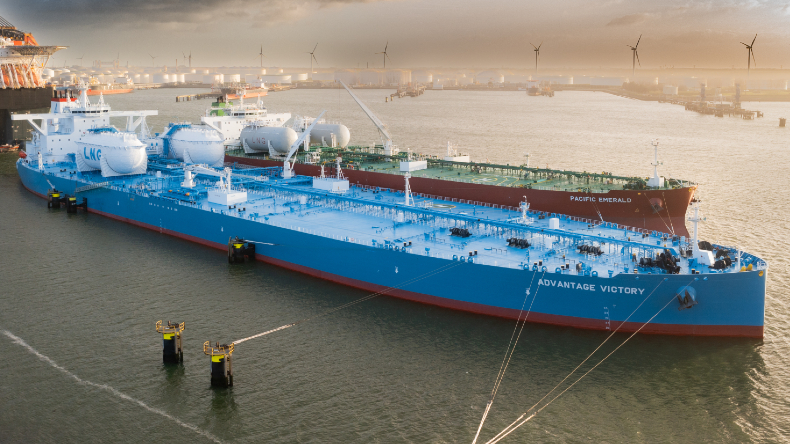


The Strait of Hormuz is one of the most strategically important waterways in the world. Roughly 20% of global oil supply passes through this narrow channel.
Since late February 2026, the strait has been at the center of escalating conflict:
- Iran has effectively restricted or closed shipping routes
- Tanker traffic dropped dramatically—at one point nearly to zero
- Over 150 ships were forced to anchor due to safety concerns
This disruption has created a major supply shock, pushing oil prices upward and triggering fears of a prolonged energy crisis.
Trump’s Deadline and Its Global Impact
At the center of the current crisis is a firm ultimatum issued by Donald Trump:
- Iran must reopen the Strait of Hormuz
- Failure to comply could result in military escalation
- A specific deadline (April 7, 2026) has intensified market anxiety
The rhetoric has been aggressive, with warnings of attacks on Iranian infrastructure if demands are not met.
This has had several immediate effects:
1. Investor Panic and Market Volatility
Global financial markets have reacted sharply:
- Stocks have fluctuated as investors move toward safer assets
- Gold and the U.S. dollar have strengthened
- Risk appetite has declined significantly
2. Oil Supply Fears
With the Strait of Hormuz partially closed:
- Oil exports from Gulf nations have been reduced
- Energy infrastructure has come under attack
- Supply chains remain fragile and unpredictable
3. Inflation Concerns
Higher oil prices directly impact:
- Fuel costs
- Transportation expenses
- Food prices and consumer goods
Economists warn this could lead to stagflation, where inflation rises while economic growth slows.
The Role of the Ongoing Iran Conflict

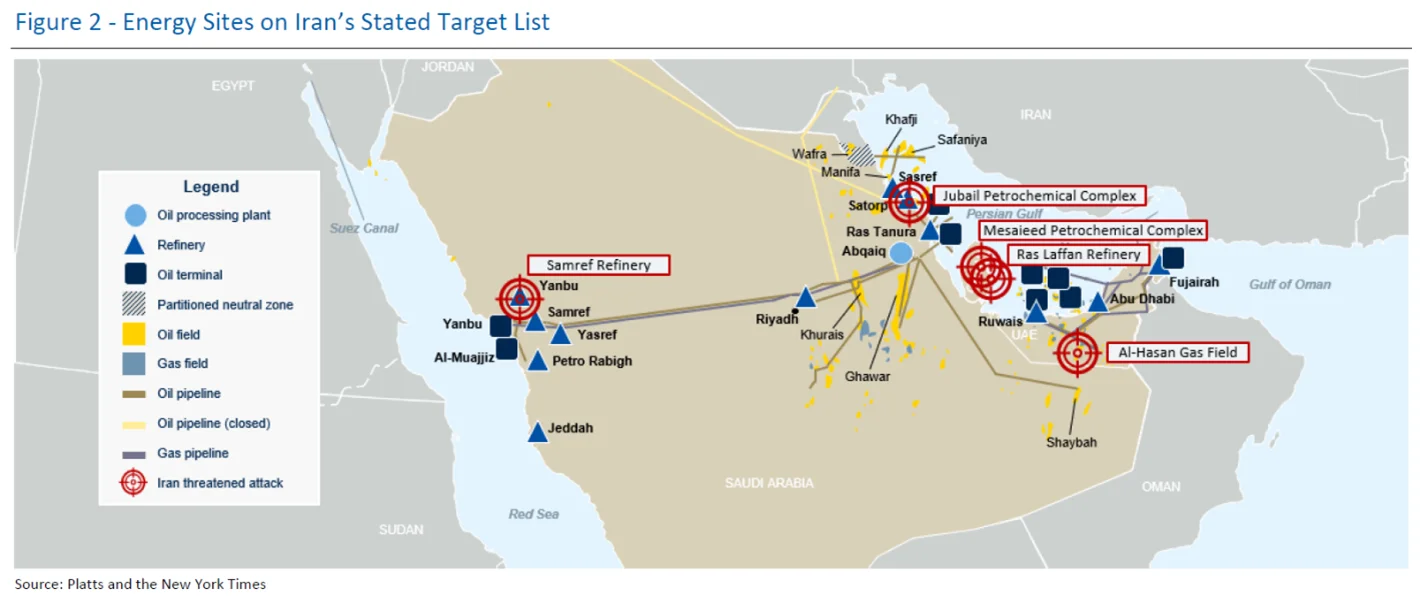
The oil price surge cannot be understood without examining the broader 2026 Iran war.
Key developments include:
- U.S. and allied strikes on Iranian military targets
- Iranian retaliation targeting regional energy infrastructure
- Drone and missile attacks affecting oil production facilities
- Disruptions across the Persian Gulf energy network
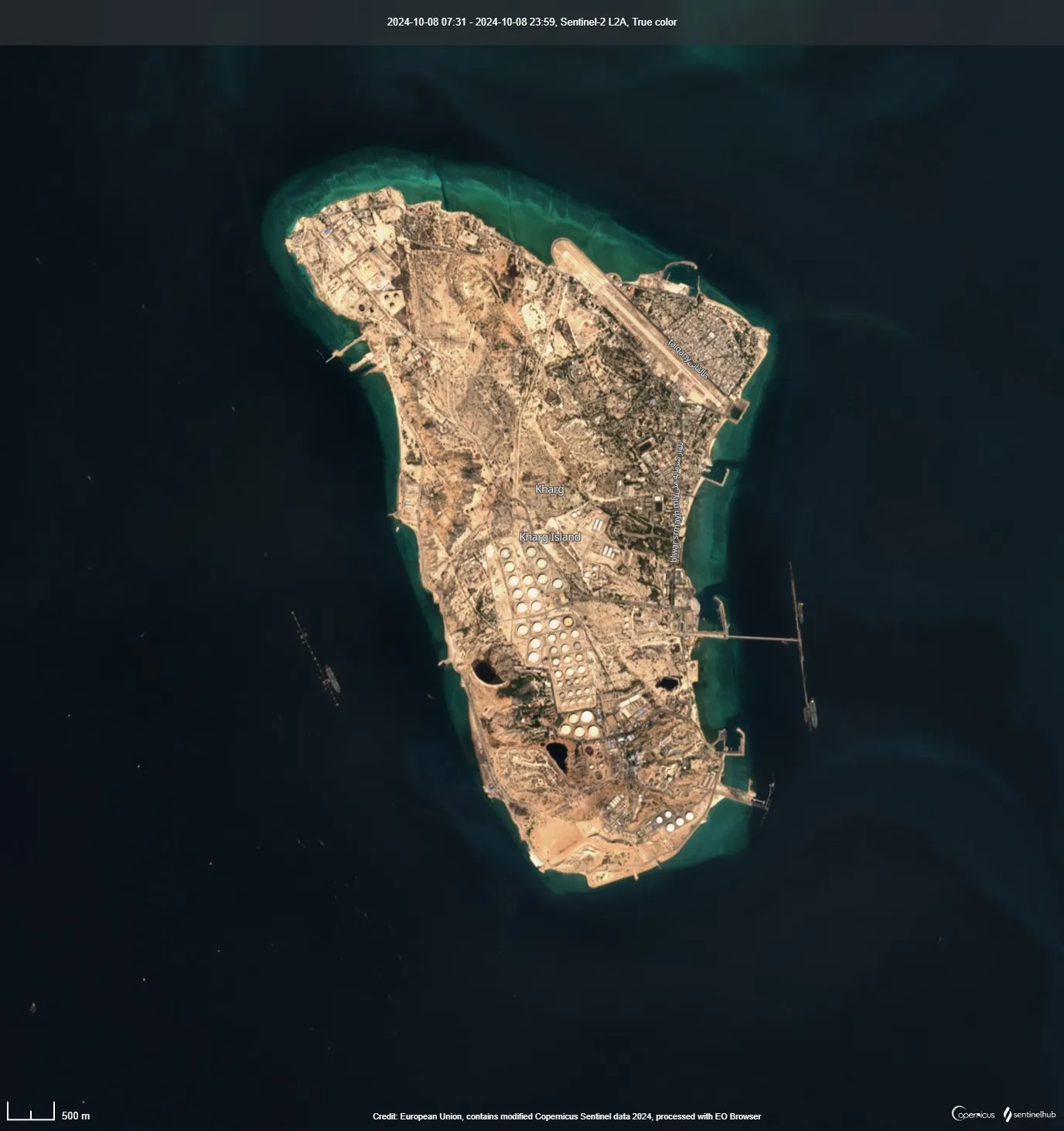
For instance, the strategic Kharg Island—responsible for a major share of Iran’s oil exports—has been targeted in military operations, highlighting the vulnerability of energy infrastructure.
The result is a high-risk environment for oil production and transportation, which naturally drives prices higher.
How Oil Markets Are Reacting
Oil markets are extremely sensitive to geopolitical risk, and the current situation is a textbook example.
Price Trends
- Brent crude: hovering around $110–$111 per barrel
- WTI crude: reaching $113–$115 per barrel
Market Behavior
- Sharp intraday volatility
- Price swings based on news headlines
- Traders pricing in worst-case scenarios
OPEC+ Response
While OPEC+ has attempted modest production increases, supply constraints and geopolitical risks limit its effectiveness.
Could Diplomacy Still Lower Prices?
Despite the tensions, there are signs of ongoing negotiations.
- Diplomatic discussions between the U.S. and Iran continue
- Some analysts believe markets are still pricing in potential de-escalation
If a deal is reached:
- Oil prices could stabilize or fall
- Shipping through Hormuz could resume
- Market confidence would improve
However, the situation remains highly uncertain.
Impact on the Global Economy
The rise in oil prices is not just a market issue—it has real-world consequences.
1. Rising Fuel Prices
Consumers are already seeing:
- Higher petrol and diesel costs
- Increased transportation expenses
In some regions, fuel prices have surged significantly as a result of the crisis.
2. Supply Chain Disruptions
Higher energy costs affect:
- Manufacturing
- Logistics
- Global trade
3. Inflation and Interest Rates
Central banks face a dilemma:
- Raise rates to combat inflation
- Or support growth amid economic uncertainty
What This Means for Investors
Investors are closely monitoring:
- Oil futures markets
- Energy stocks
- Safe-haven assets like gold
Energy companies, particularly oil producers, may benefit from higher prices, while other sectors could face pressure.
Historical Context: A New Energy Crisis?
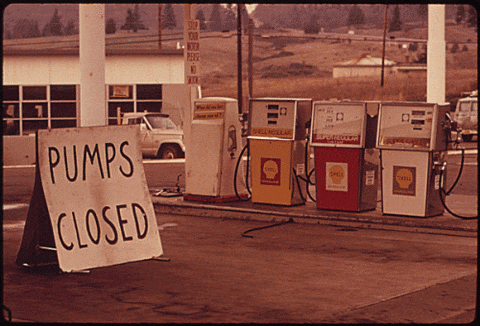
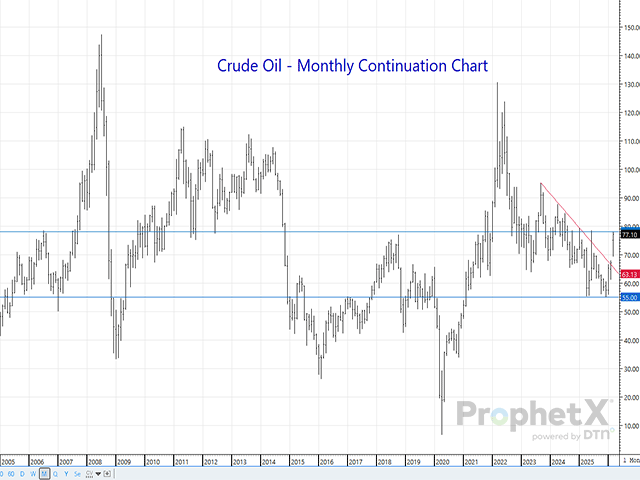
Some analysts are comparing the current situation to past energy crises.
The closure of the Strait of Hormuz has been described as:
- One of the largest disruptions in oil market history
- A crisis comparable to the 1970s energy shock
If the conflict continues, the world could face:
- Sustained high energy prices
- Economic slowdown
- Increased geopolitical instability
Key Takeaways
- Oil prices have surged above $110 due to geopolitical tensions
- The Trump-imposed deadline on Iran is a major market driver
- The Strait of Hormuz remains the critical factor in global supply
- Markets are highly volatile and sensitive to news developments
- The global economy faces rising inflation and uncertainty
Final Thoughts
The rise in oil prices ahead of Trump’s Iran deal deadline is more than a temporary market fluctuation—it is a reflection of deeper geopolitical instability that could reshape global energy dynamics.
As the deadline passes and the world watches closely, the next moves by the U.S. and Iran will determine whether oil prices continue to climb—or finally stabilize.
For now, one thing is certain: the global oil market is entering one of its most uncertain and high-stakes periods in recent history.


