

This revised report presents the key developments behind Iran’s 10-Point Proposal: Ceasefire Terms, Sanctions and Hormuz Explained in a clearer structure, without adding claims beyond the original article.
Updated and fact-checked: Iran’s 10-point proposal emerged as the basis for talks after the April 2026 escalation. Reported terms included lifting primary and secondary sanctions, continued Iranian control over the Strait of Hormuz, a U.S. military withdrawal from the Middle East, an end to attacks and release of frozen assets. A two-week ceasefire was announced while talks were prepared in Islamabad.
What the original headline means now
A proposal is an opening negotiating position, not a signed agreement. Some points were directly at odds with longstanding U.S. positions, which made implementation more difficult than the headline ceasefire suggested.
Breaking-news headlines are often written at the moment when only part of the picture is visible. For that reason, this rewrite separates the first report from later confirmed developments. The aim is to preserve the news value of the original story while giving readers a clearer account of what was known at the time, what changed afterwards, and which claims still require attribution or caution.
Why this story matters
The plan linked security, sanctions, military presence and energy shipping in one package. That makes progress on any single point dependent on wider political trade-offs.
The wider significance also depends on context. A single announcement, market move, quote or early report can be important without being the final word. Readers get a more reliable picture by looking at the institutions involved, the timeline, the practical consequences and the difference between an official decision and a proposal, allegation or prediction.
How to read fast-moving reports carefully
There are four useful checks for stories like this. First, identify the source of the central claim: an official statement, named spokesperson, court filing, regulator, company announcement, market data or anonymous source. Second, check the date, because later events can materially change the meaning of an earlier headline. Third, separate a stated intention from an action that has actually happened. Finally, look for independent confirmation where the subject is contested or where the information comes from one side of a dispute.
This is especially important in world coverage, where developments can move quickly and the same event may be described differently by governments, companies, unions, campaign groups, market participants or other interested parties. Attribution is not a technicality; it tells the reader who is making a claim and how much confidence to place in it.
What readers should watch next
Follow the difference between what Iran proposed, what Washington accepted as a basis for talks and what was eventually implemented.
Future updates should be judged against primary or authoritative information wherever possible. That may mean a government department, regulator, company newsroom, official sports body, transport authority, market operator or other directly responsible institution. Secondary reporting remains valuable for context and scrutiny, but the strongest update normally identifies what is confirmed and what remains interpretation.
Questions readers may have
Is the original headline still accurate?
It describes the news moment that prompted the article, but later developments may have changed the position. The update above explains the most important change and should be read before older details in the original report.
Why keep the original topic instead of replacing the article entirely?
The URL may already be indexed, linked or shared. Updating the same page can preserve that history while making the content more useful. The important part is to make the revision transparent, correct material errors and avoid presenting superseded information as current fact.
What is the safest way to use this information?
Treat it as a current explainer rather than a substitute for live professional, legal, financial, medical or travel advice. Where a decision has real consequences, verify the latest position with the responsible organisation before acting.
Background and original reporting context
The geopolitical landscape of the Middle East has reached a critical turning point as Iran unveils a 10-point proposal demanding an end to attacks and sanctions. The proposal comes amid escalating tensions between Iran, the United States, and Israel, with global markets, energy supplies, and diplomatic relations hanging in the balance.
Rather than accepting a temporary ceasefire suggested by Western mediators, Tehran has chosen a more ambitious route—a permanent resolution to the conflict. This move signals a strategic shift in Iran’s diplomatic posture, emphasizing sovereignty, long-term stability, and economic recovery.
Background: Escalation Leading to the Proposal
The current crisis is rooted in the broader 2026 Iran war, triggered by escalating military actions and political tensions. Following joint U.S.-Israeli strikes on Iranian infrastructure and leadership, the region has witnessed a rapid deterioration in stability.
One of the most critical flashpoints has been the Strait of Hormuz, a vital artery for global oil shipments. The disruption of shipping routes has led to a sharp spike in oil prices and increased fears of a global energy crisis.
Iran’s decision to reject a temporary ceasefire stems from deep mistrust, shaped by years of sanctions, failed agreements, and military confrontations. Instead, Tehran insists on a structural solution—one that addresses the root causes of the conflict.
What Is Iran’s 10-Point Proposal?
Iran’s proposal, delivered through mediators such as Pakistan, outlines a bold roadmap for peace. It focuses on ending attacks, lifting sanctions, and ensuring long-term stability.
Key Highlights of the 10-Point Plan
- Permanent End to Hostilities
Iran rejects temporary ceasefires, demanding a complete and lasting end to the war. - Immediate Halt to Military Attacks
The proposal calls for stopping all strikes, including Israeli operations in Lebanon and elsewhere. - Lifting of Economic Sanctions
Tehran insists that sanctions relief is essential for any meaningful agreement. - Safe Navigation Through Hormuz
Iran proposes regulated maritime access to ensure global energy flow. - Reconstruction Commitments
War-torn areas must receive international support for rebuilding efforts. - Regional De-escalation Framework
The plan includes ending broader regional conflicts tied to the war. - Guarantees Against Future Attacks
Iran seeks assurances to prevent renewed military aggression. - Recognition of Sovereignty
Respect for Iran’s territorial and political integrity is a core demand. - Economic Compensation Mechanisms
Compensation for damages caused during the conflict is proposed. - Structured Peace Negotiations
A framework for ongoing diplomatic engagement to maintain peace.
Why Iran Rejected the Ceasefire Proposal
Western powers, led by the United States, initially proposed a 45-day ceasefire aimed at creating space for negotiations. However, Iran dismissed this approach, arguing that:
- Temporary truces only delay conflict
- Past agreements failed to deliver lasting peace
- Military pressure undermines trust
Iran’s leadership believes that accepting a short-term ceasefire would weaken its strategic position and allow adversaries to regroup.
According to reports, Tehran views the ceasefire proposal as a tactical maneuver rather than a genuine peace effort.
The Role of the Strait of Hormuz in the Proposal
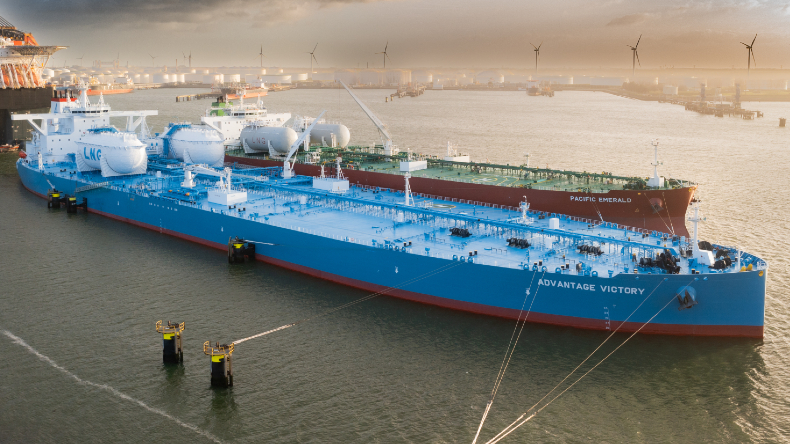

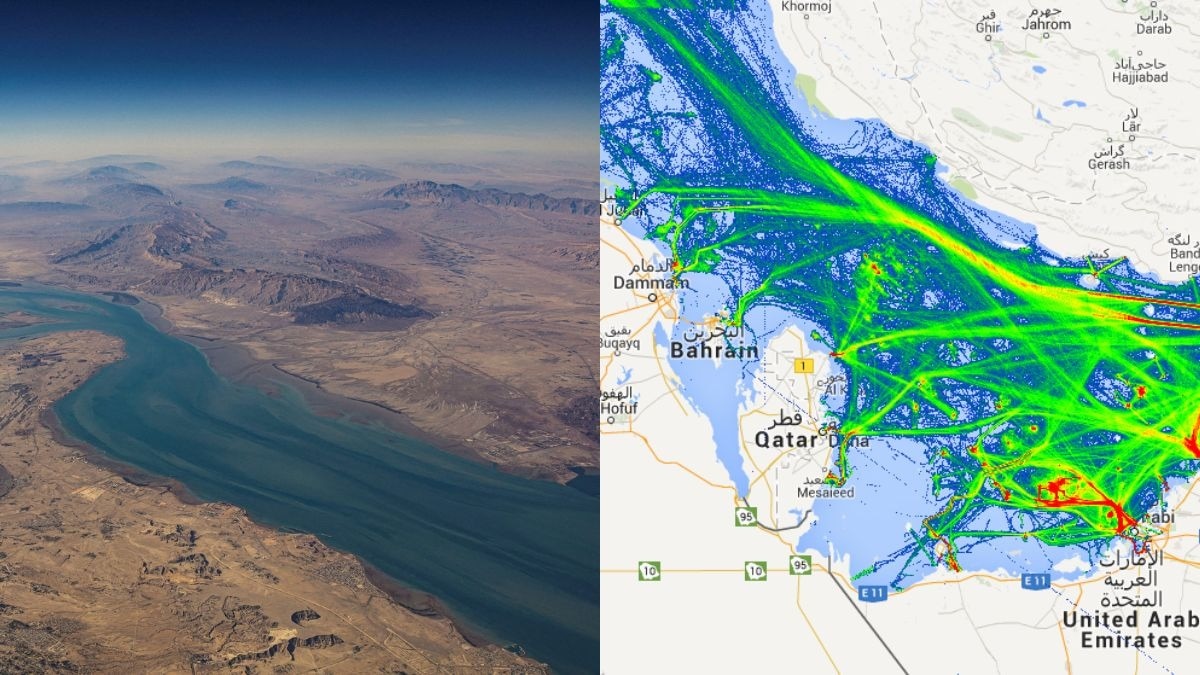
The Strait of Hormuz remains central to the conflict and Iran’s proposal. This narrow waterway handles roughly 20% of global oil supply, making it one of the most strategic locations in the world.
Iran’s proposal includes:
- Controlled reopening of the strait
- Possible transit fees for ships
- Security guarantees for maritime traffic
The closure of the strait has already caused:
- Oil prices to surge above $110 per barrel
- Shipping disruptions affecting global trade
- Increased geopolitical tensions
By addressing Hormuz directly, Iran is leveraging its strongest strategic asset.
Global Reaction: Divided and Uncertain
The international response to Iran’s 10-point proposal has been mixed.
United States
Former U.S. President Donald Trump described the proposal as:
- “Not good enough”
- A “significant step” toward negotiation
Washington remains focused on:
- Ensuring free navigation in Hormuz
- Maintaining pressure through sanctions
- Securing strategic concessions
European and Regional Responses
European nations have expressed cautious optimism but stress the need for:
- Immediate de-escalation
- Protection of civilian infrastructure
- Diplomatic engagement
Meanwhile, regional players like Pakistan, Egypt, and Turkey are actively mediating the crisis.
Economic Impact: Oil, Markets, and Global Trade
The proposal comes at a time when global markets are already under stress.
Key Economic Effects
- Oil Prices Surge: تجاوز $110 per barrel
- Supply Chain Disruptions: بسبب Hormuz closure
- Investor Uncertainty: ارتفاع تقلب الأسواق
The energy market is particularly sensitive, as any prolonged disruption could lead to:
- Inflation spikes
- Slower global growth
- Increased geopolitical risk premiums
Strategic Analysis: What Iran Really Wants
Iran’s proposal is not just about ending the war—it reflects broader strategic goals:
1. Sanctions Relief
Economic recovery is a top priority, especially after years of financial isolation.
2. Regional Influence
Iran aims to solidify its role as a dominant regional power.
3. Security Guarantees
Preventing future attacks is critical for long-term stability.
4. Diplomatic Legitimacy
The proposal positions Iran as a proactive actor seeking peace.
Challenges to Implementation
Despite its comprehensive nature, the proposal faces significant obstacles:
- Trust Deficit: Decades of hostility between Iran and the U.S.
- Military Escalation: Ongoing strikes complicate diplomacy
- Political ضغط داخلي: Leaders on both sides face domestic pressures
- Allied Interests: إسرائيل وحلفاء الولايات المتحدة لديهم أولويات مختلفة
Possible Scenarios Moving Forward
Scenario 1: Negotiated Settlement
Both sides compromise, leading to a long-term peace agreement.
Scenario 2: Continued Stalemate
Talks drag on without significant breakthroughs.
Scenario 3: Military Escalation
Failure to reach an agreement triggers further conflict.
The Bigger Picture: A Shift in Global Power Dynamics
Iran’s 10-point proposal reflects a broader تحول in international relations:
- Declining effectiveness of sanctions as a sole strategy
- Increased importance of regional alliances
- Growing role of economic leverage in diplomacy
The outcome of this الأزمة could reshape:
- Middle East geopolitics
- Global energy markets
- مستقبل العلاقات الأمريكية الإيرانية
Conclusion: A Defining Moment for Peace or Conflict
Iran’s 10-point proposal demanding an end to attacks and sanctions represents one of the most significant diplomatic developments in the 2026 conflict.
It is a bold, ambitious plan that challenges traditional negotiation frameworks and pushes for a permanent solution rather than temporary relief.
However, the success of this proposal depends on:
- Willingness of global powers to compromise
- Ability to build trust
- Effective mediation جهود
As the world watches closely, one thing is clear:
The decisions made in the coming days could define the مستقبل of the Middle East for years to come.


