

This revised report explains Apple Foldable iPhone: iPad-Style Interface Report Revisited in a cleaner structure, retaining the original article’s core technical details and context.
Updated and fact-checked: The March 2026 report was a pre-launch leak. By September 2026 Apple had unveiled its first foldable iPhone, and the broad claim about an iPad-style open-screen interface proved directionally correct: the unfolded experience supports layouts and multitasking not previously available on a standard iPhone.
What the March report actually said
Bloomberg reported on 11 March that Apple’s forthcoming foldable iPhone would use an interior display roughly comparable to an iPad mini and would support side-by-side apps when opened. That mattered because ordinary iPhones had not offered true two-app split-screen multitasking. The report also said developers would get interface tools to adapt applications to the wider display.
At the time, none of those details should have been described as final specifications. They came from people familiar with Apple’s plans, not from a public product page. The distinction between a credible leak and an announced feature is important, especially with hardware that can change late in development.
What changed after launch
By September, coverage of Apple’s first foldable described an interface that adapts to the device as it folds and unfolds. When open, the software can present information in a more tablet-like arrangement and place apps side by side. The software also changes navigation and interface placement to make better use of the larger canvas.
That makes the original “iPad-like” description useful shorthand, but it should not be interpreted to mean the device literally runs iPadOS. The point is that iOS gained layouts and multitasking behaviours inspired by the iPad while retaining an iPhone software base.
Why software matters more than the hinge
Foldable phones are often marketed around engineering: hinges, creases, thickness and durability. For everyday users, however, the bigger question is whether opening the device changes what can be done. A larger screen that only stretches the same phone interface provides less value than one that supports two applications, persistent sidebars and more efficient document or communication workflows.
Developers are therefore central to the product’s success. Native apps can be redesigned around the wider layout, while poorly adapted apps may simply scale up. Buyers comparing foldables should look at real app behaviour, repair costs, battery life and long-term durability rather than relying only on screen size.
Sources checked
Apple is preparing to enter the foldable smartphone market—and if the latest reports are accurate, it won’t just be another folding device. Instead, the company is aiming to redefine how a phone behaves when it unfolds. The upcoming foldable iPhone is expected to feature an iPad-like interface when opened, merging the portability of an iPhone with the productivity of an iPad.
This development represents one of the most significant shifts in Apple’s mobile strategy in years. With competitors like Samsung and Google already pushing foldable devices, Apple appears to be taking a different path—focusing not just on hardware innovation, but on software transformation.
What We Know So Far About Apple’s Foldable iPhone
Reports from trusted industry sources reveal that Apple’s foldable iPhone will behave like a hybrid device. When closed, it functions like a traditional iPhone. When opened, it transforms into something closer to an iPad.
According to a March 11, 2026 report by Bloomberg (via Mark Gurman), the device will include iPad-style layouts and side-by-side app functionality, making multitasking a central feature.
Additional leaks suggest:
- A book-style folding design
- An internal display roughly the size of an iPad mini
- A smaller outer display for standard phone use
- A modified version of iOS optimized for larger screens
When unfolded, users can run two apps side-by-side—something not traditionally available on iPhones.
iPad-Like Interface: What Does It Actually Mean?
The phrase “iPad-like interface” is key here. Apple is not simply enlarging the screen—it is redesigning the user experience.
Key Features Expected
1. Split-Screen Multitasking
Users will be able to run two apps simultaneously—similar to iPad multitasking.
- Browse Safari while taking notes
- Watch videos while messaging
- Edit documents alongside emails
This is a major leap from current iPhones, which are largely limited to single-app usage.
2. Sidebar Navigation
Apps may include left-hand sidebars, similar to iPad apps.
- Easier navigation
- Faster switching between sections
- Improved productivity workflows
3. Wider 4:3 Display Ratio
Unlike competitors that favor tall screens, Apple is reportedly using a wider aspect ratio, closer to iPads.
This improves:
- Video viewing
- Reading experience
- Multitasking layouts
4. Enhanced App Adaptation
Developers will get tools to redesign apps for this new format.
- Apps will scale dynamically
- Interfaces will resemble tablet experiences
- Better use of screen real estate
However, it’s important to note that the device will still run iOS—not iPadOS—meaning it won’t fully replicate the iPad experience.
Hardware Design: A Foldable That Feels Like an iPad
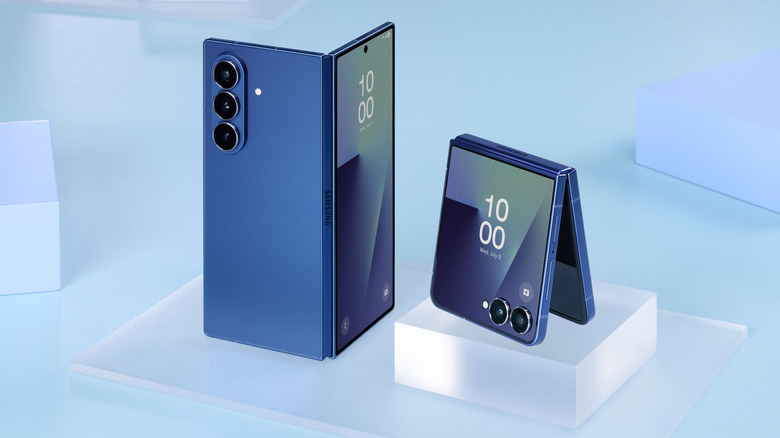
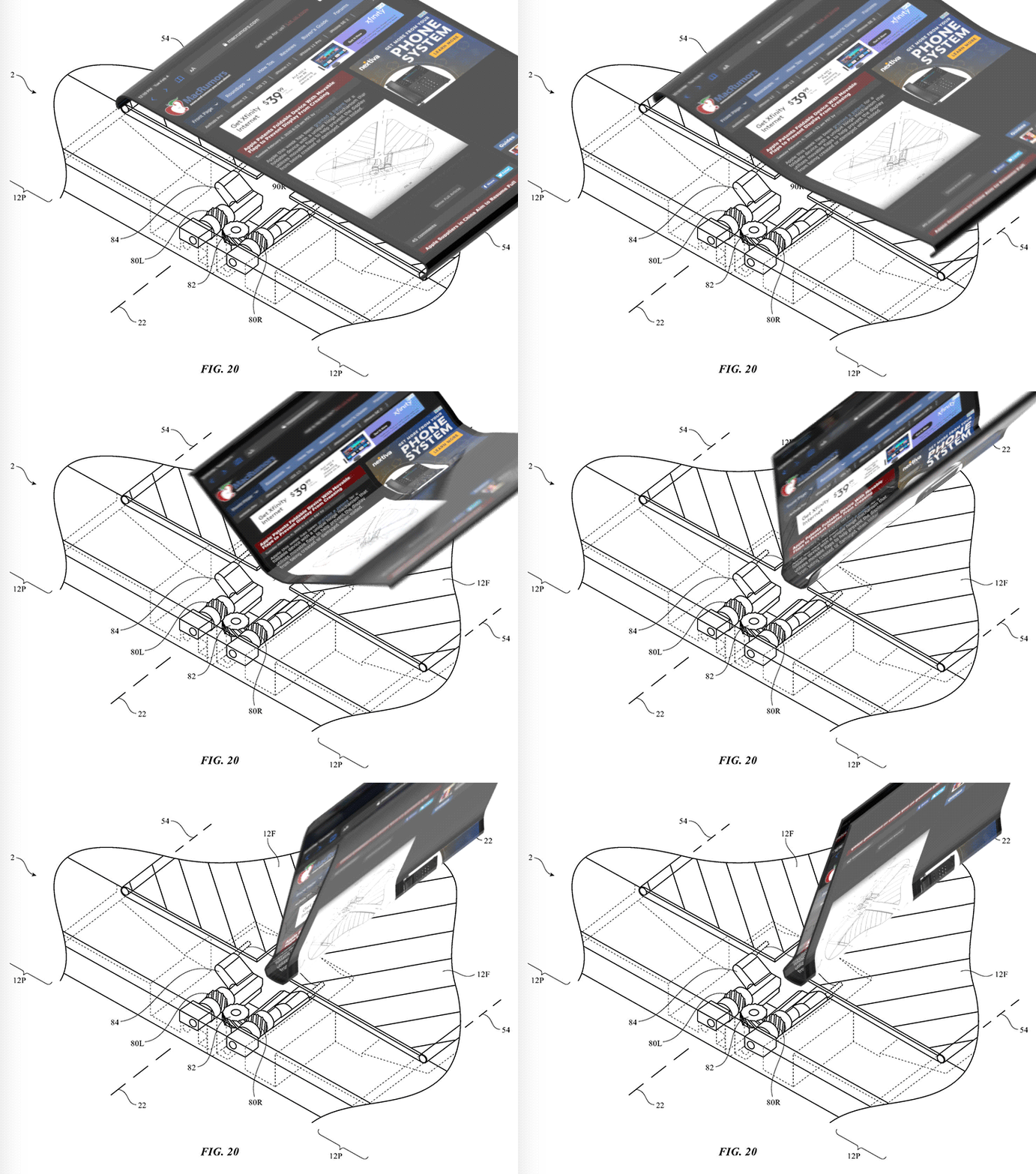
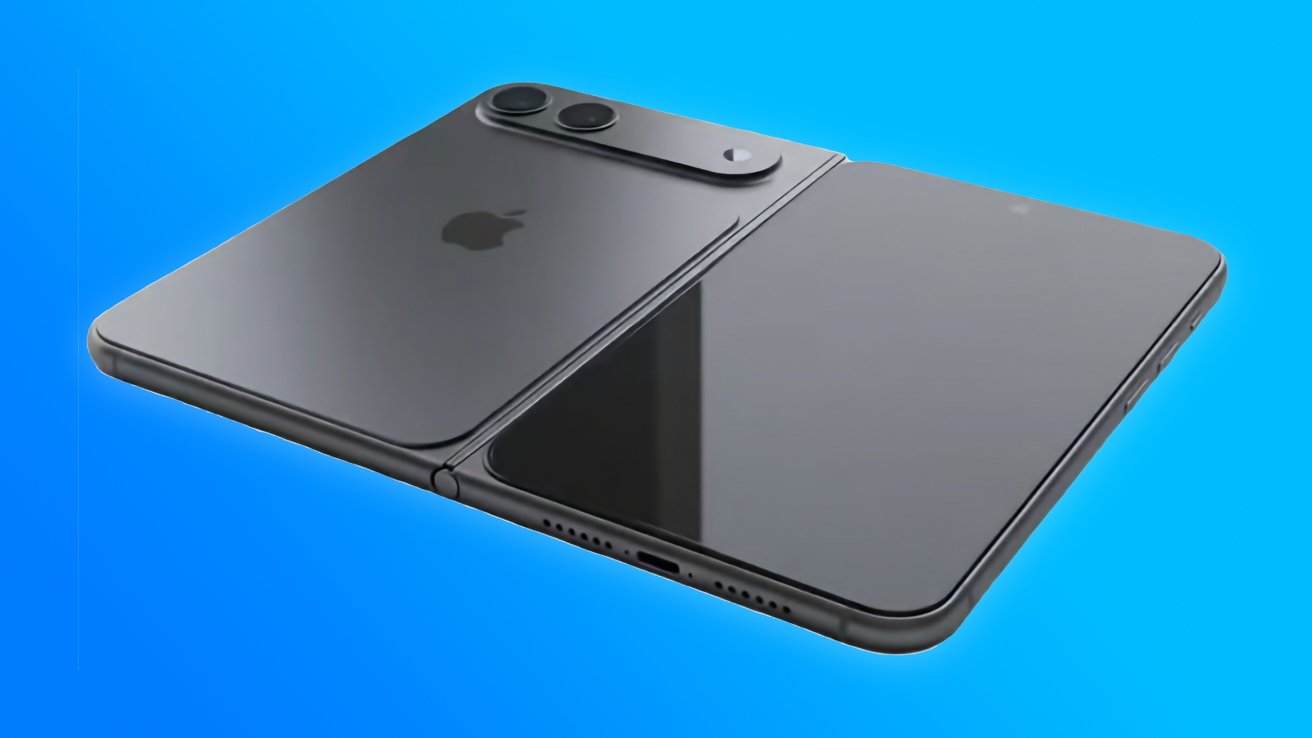
Apple is reportedly opting for a book-style fold, similar to devices like Samsung’s Galaxy Z Fold series—but with key differences.
Expected Hardware Specs
- Internal display: ~7.7 to 7.8 inches
- External display: Standard smartphone size
- Aspect ratio: 4:3 (iPad-like)
- Camera setup: Dual rear cameras
- Authentication: Touch ID (likely in power button)
Interestingly, Apple may ditch Face ID due to space constraints in the ultra-thin folding design.
Another major focus is reducing the visible crease, a long-standing issue in foldable devices.
️ Software Innovation: The Real Game-Changer
While hardware matters, Apple’s biggest advantage lies in software integration.
The foldable iPhone is expected to debut alongside updates to iOS that include:
- New multitasking capabilities
- Dynamic UI scaling
- Fold-aware app behavior
Reports suggest that Apple is developing foldable-specific features in future iOS versions to fully leverage the new form factor.
Why This Matters
Competitors already offer foldable phones—but many struggle with software optimization.
Apple’s approach:
- Seamless ecosystem integration
- Consistent UI across devices
- Developer-friendly tools
This could give Apple a major edge.
How It Compares to Existing Foldable Phones


Current foldable phones already support multitasking—but Apple is aiming for a more refined experience.
Key Differences
| Feature | Apple Foldable iPhone | Competitors |
|---|---|---|
| Interface | iPad-like UI | Android tablet UI |
| Aspect Ratio | Wider (4:3) | Taller/narrower |
| Software Integration | Deep ecosystem | Fragmented |
| App Optimization | Developer-focused tools | Varies by app |
| Multitasking | Two apps side-by-side | Similar, but less consistent |
Apple’s focus is not just functionality—but usability and polish.
Expected Price and Release Date
The foldable iPhone is expected to be Apple’s most expensive smartphone yet.
- Estimated price: ~$2,000
- Possible launch window: Late 2026
However, there are still uncertainties. A recent report highlighted engineering challenges that could delay production timelines.
Challenges Apple Must Overcome
Despite the excitement, several hurdles remain:
1. Durability
Foldable screens are fragile compared to traditional displays.
2. Crease Visibility
Apple is reportedly working hard to minimize the crease—but it’s a tough problem.
3. Battery Life
Larger displays consume more power.
4. App Ecosystem Transition
Developers must adapt apps for the new interface.
5. Pricing
At ~$2,000, this will be a premium niche device.
Why This Matters for the Smartphone Industry
Apple entering the foldable market is a big deal.
Potential Impact
- Accelerates foldable adoption globally
- Forces competitors to innovate faster
- Pushes developers to optimize apps
- Blurs the line between phones and tablets
Analysts believe Apple’s entry could reshape the foldable category entirely.
The Bigger Vision: iPhone + iPad in One Device
Apple’s foldable iPhone represents more than just a new product—it signals a shift in computing.
The Future Apple Is Building
- One device for communication and productivity
- Seamless transitions between phone and tablet modes
- Unified software experience across devices
This aligns with Apple’s broader strategy of ecosystem integration.
Final Thoughts
Apple’s foldable iPhone could be one of the most important tech releases of the decade. By combining iPhone portability with iPad-like functionality, the company is attempting to redefine what a smartphone can do.
The iPad-like interface is the centerpiece of this transformation—turning a simple phone into a powerful multitasking device.
If Apple executes this well, it won’t just compete in the foldable market—it could dominate it.
Practical takeaway for readers
Technology headlines often move faster than the underlying product or security evidence. A rumour can become an announced feature, a test can become a public rollout, and a cyber alert can be misread as a ban on a particular product. The most useful approach is to check the vendor, regulator or security researcher that originated the claim and then separate confirmed behaviour from inference.
For consumers, the practical steps are usually more durable than the headline: keep software updated, review permissions, use strong unique passwords, enable multi-factor authentication where available and avoid unofficial downloads. For new hardware, wait for final specifications and independent testing before treating pre-launch leaks as guaranteed features.
Verification and reader note
This page has been updated to separate the original tech report from later information that became available after publication. Dates, official announcements and later outcomes are stated explicitly so that readers can tell which details were known at the time and which were confirmed later.
For any decision that depends on current conditions, readers should check the relevant primary source before acting. News pages can explain context, but official organisations, event operators, regulators, clubs, public authorities or product vendors remain the best source for live status and formal rules.


